01 · Historical context
Settlement and adaptation to the terrain
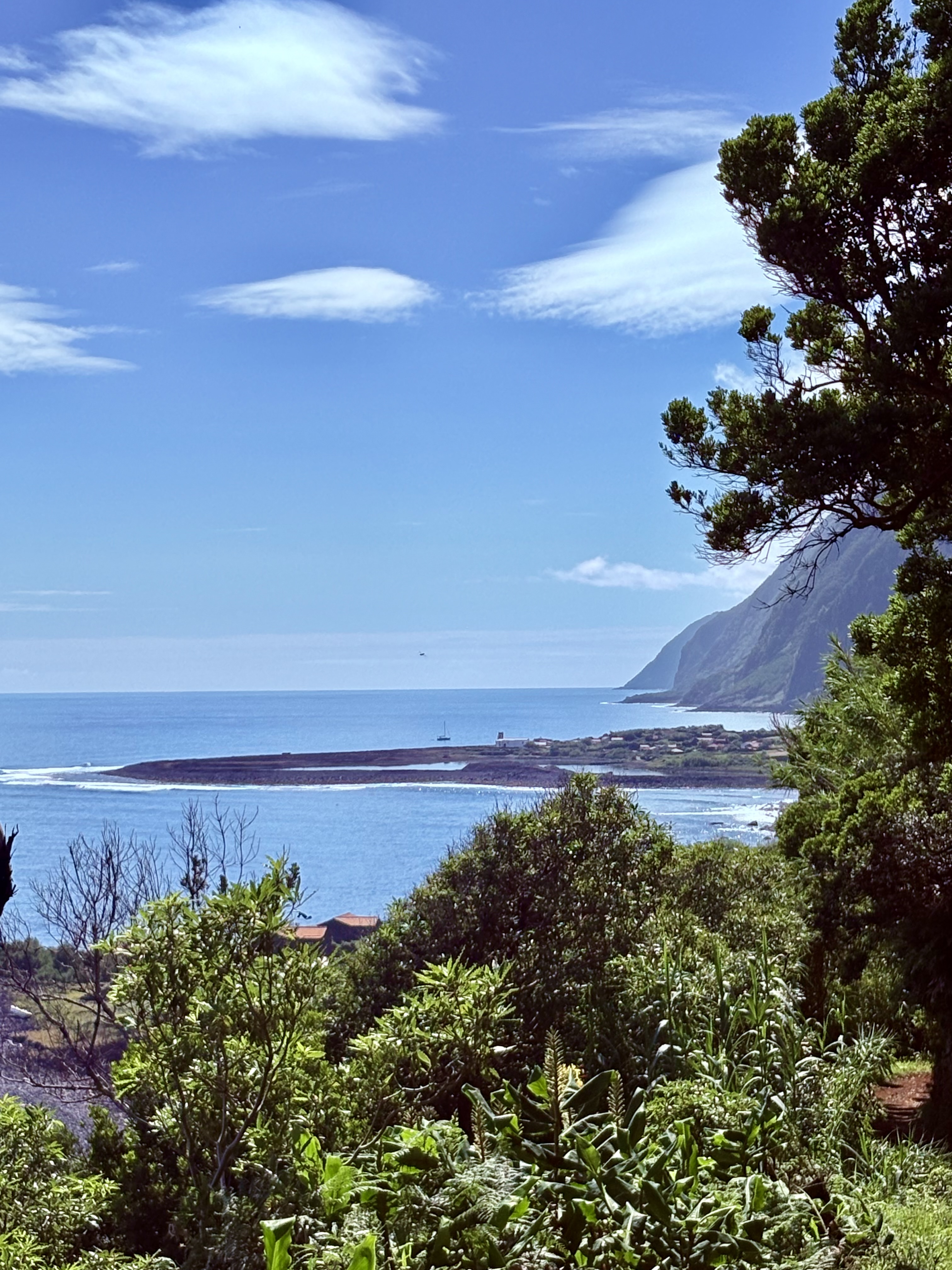
São Jorge is defined by its long mountainous shape and steep cliffs. Settlement, which began in the fifteenth century, first developed around accessible coastal areas. The fajãs—narrow strips of land beneath the cliffs—became places to live and grow crops wherever conditions allowed. Some were formed by lava flows, others by landslides; each presents its own challenges of access, water and protection from the sea.
Reaching these places was long difficult. Residents developed forms of agriculture suited to local conditions, including food crops, vines and, in some areas, coffee or fruit. Travel once depended heavily on steep paths and the weather, strengthening the relationship between communities and their territory. The history of the fajãs is therefore also a story of daily adaptation to demanding terrain.
02 · Living heritage
Cheese, traditions and community life
São Jorge cheese is one of the island’s best-known cultural markers. Its production rests on a long tradition of dairy farming and skills refined over generations. Pastures, farms and ageing rooms form a cultural landscape where agriculture remains visible. Cheese is more than a local product: it tells a story of labour, pasture quality and cooperation.
Religious celebrations, village festivals and community practices still shape the year. They vary from place to place but share a strong spirit of gathering and transmission. The fajãs, old paths and villages show how residents created links between places often separated by difficult slopes. On São Jorge, heritage is not frozen in time: it can be tasted, walked through and encountered in activities that are still practised. Access conditions long shaped the distinctive character of each fajã. Residents relied on paths, the sea and the weather to move goods and reach other communities. Visitors can now reach some of these places more easily, but they remain fragile. A cultural visit is richer when the landscape is considered alongside farming life and the stories of the communities that maintained it.