01 · Historical context
Early settlers and Atlantic routes
Santa Maria is generally regarded as the first Azorean island to be settled permanently, beginning in the fifteenth century. Settlers from mainland Portugal established themselves near sheltered bays and land suitable for cultivation. Wheat, dye plants and clay were among the island’s historic resources. Villages grew around farming, maritime activity and links with other parts of the archipelago.
Santa Maria’s position on Atlantic sailing routes gives it a distinctive place in maritime history. In 1493, Christopher Columbus called at Anjos on his return voyage from the Americas. Over the centuries, the island also faced the risks associated with ocean crossings and privateer attacks. Its story shows the Atlantic as both a boundary and a route for movement and encounter.
02 · Living heritage
A culture of land and sea
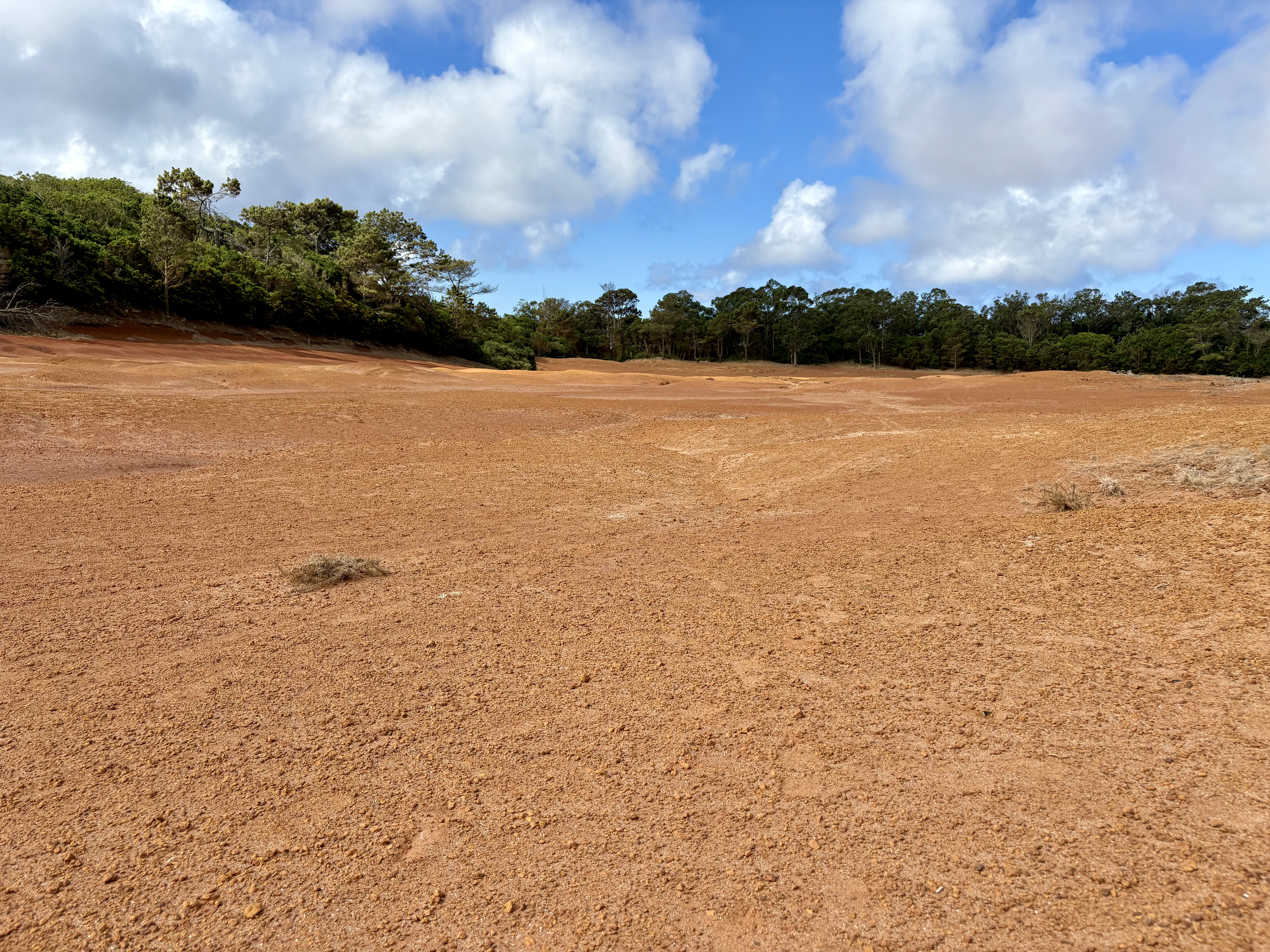
Santa Maria’s identity is expressed through its houses, churches, local festivals and agricultural landscapes. The red earth of Barreiro da Faneca, pale beaches and sheltered bays contrast with the greener, wetter scenery of many other Azorean islands. This diversity is cultural as well: building styles, cultivation and the use of the coast reflect a long adaptation to different natural conditions.
Religious traditions and community festivals still shape local life. Ceramics and the use of clay also recall an old relationship with the island’s materials. To understand Santa Maria, look beyond its beaches: its early settlement, role in the first stages of Azorean colonisation and rural heritage give it a distinctive place in the archipelago. Differences in soils and terrain also explain the importance of local activities. Clay, cultivable land and sheltered coastal areas shaped how the territory was used, while maritime exchange connected residents to wider horizons. Traces of the past are sometimes modest, woven into streets and farmland. Noticing them helps explain an island whose story begins early in the history of the archipelago and continues through everyday traditions.